


Childhood viral infections are very common, especially during the fall and winter months, when children spend more time indoors, such as schools, playgrounds, and activities. In these settings, germs and viruses are easily transmitted from child to child. Although most viral infections are mild, proper prevention and treatment are essential for children's rapid recovery.
Symptoms and signs that need attention
Viral infections in children are often accompanied by:
- Fever: Usually low to moderate, but in some cases it can be high.
- Runny nose and stuffiness: The child may have nasal congestion or a runny nose.
- Cough: Dry or productive cough is common in respiratory viruses.
- Sore throat: Especially in viral infections related to the upper respiratory tract.
- Weakness and Fatigue: The child may seem more tired or grumpy than usual.
If symptoms last more than 3-4 days, worsen, or if the child exhibits new symptoms such as shortness of breath, it is important to consult your pediatrician.
Ways to treat childhood viral infections
- Adequate Rest and Hydration: Rest and hydration are essential for the child's recovery.
- Nutritious Diet: Offer rich meals with fruits and vegetables, as good nutrition strengthens the immune system.
- Avoiding Crowding: During periods of viral outbreaks, limit the child's social contacts to reduce the risk of transmission.
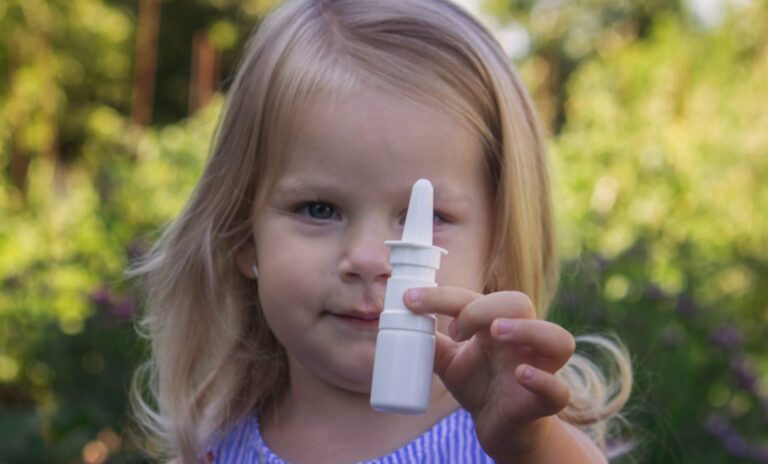
- Nasal Congestion Care: For nasal congestion, you can use saline or special nasal sprays recommended by your pediatrician. This helps to ease your child's breathing.
When to contact a pediatrician
While most viral infections can be treated at home, there are cases that require the attention of a pediatrician:
- The fever lasts more than 3 days or is very high (over 39°C).
- The child is experiencing shortness of breath or rapid breathing.
- There is severe exhaustion or inability to eat and drink fluids.
- Symptoms such as rash, swelling, or stiffness in the neck appear.
Conclusion
Proper care, adequate rest, and good eating habits can help your child recover more quickly from a cold. With care and patience, most colds will pass soon and your children will be able to return to their daily lives.















 English
  Greek
Greek