


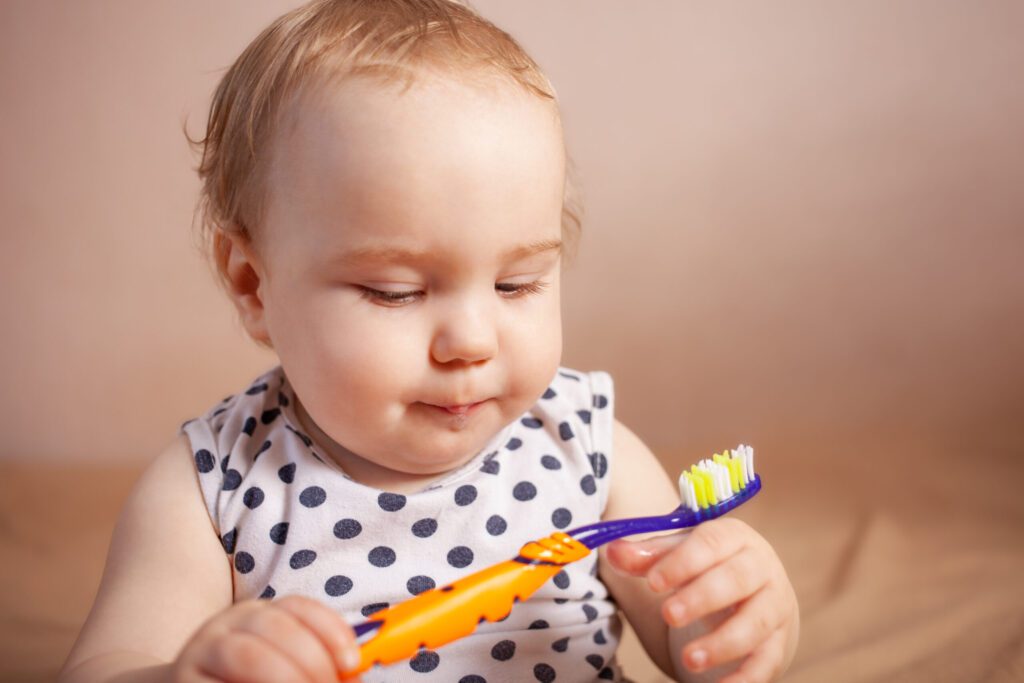
Oral health care starts early, and first visits to the dentist play a crucial role in establishing healthy habits for a lifetime. Many parents wonder what is the appropriate age for the first visit to the dentist and what they should pay attention to in their child's oral health.
What is the right age for the first visit to the dentist?
The first visit to the dentist is recommended for children up to 2 years of age. This early visit helps prevent potential problems and provides parents with proper guidance on caring for the first teeth.
Why is a timely visit important?
Prevention is the best way to ensure the health of a child's teeth. The first dental visit is not only about the check-up, but also includes guidance for parents on daily oral care. Some of the main reasons that make an early visit important include:
- Prevention of tooth decay: Baby (first baby) teeth are more vulnerable to tooth decay, especially if the child is accustomed to drinking milk or juice before bed.
- Information on proper oral care: The dentist will show parents how to properly brush their child's teeth.
- Habit and familiarity with the dentist: When the child visits the dentist from a young age, the fear and anxiety that may develop later is reduced.
- Check for possible abnormalities: Dental malformations, early tooth loss, or occlusion problems can be detected and treated in a timely manner.
What to expect on your first visit
The first visit is simple and child-friendly. The dentist will check the development of teeth and gums, provide instructions for proper care, and answer any questions parents may have. Usually, no special treatment is required unless specific problems are identified. To make the experience positive for the child:
- Choose a pediatric dentist who specializes in children's oral health.
- Speak positively to your child about the visit and avoid scaring them with words like “pain” or “injection.”
- Schedule the appointment at times when the child is rested and not hungry or tired.
Frequency of visits and daily care
After the first visit, the dentist usually recommends preventive visits every six months for regular oral health checks. To keep children's teeth healthy:
- Encourage your child to brush their teeth twice a day with a soft children's toothbrush and a small amount of fluoride toothpaste.
- Limit your sugar consumption, as excessive consumption of sweets increases the risk of tooth decay.
- Avoid bottles before bedtime, as milk left in the mouth can cause tooth decay in the first teeth.
- Encourage water consumption after meals to remove food residue.
When to worry and visit the dentist immediately
There are cases that require an immediate visit to the dentist, such as:
- Black or white spots on the teeth, which may be a sign of tooth decay.
- Difficulty chewing or tooth pain.
- Changes in gum color or swelling.
- Loss of baby teeth too early or too late, which can affect the arrangement of permanent teeth.
Conclusion
Caring for children's teeth starts in infancy, and the first dental visit should not be delayed. With proper prevention, education, and regular checkups, you can ensure that your child will develop good oral hygiene habits and a healthy smile that will accompany them throughout their lives.












 English
  Greek
Greek