


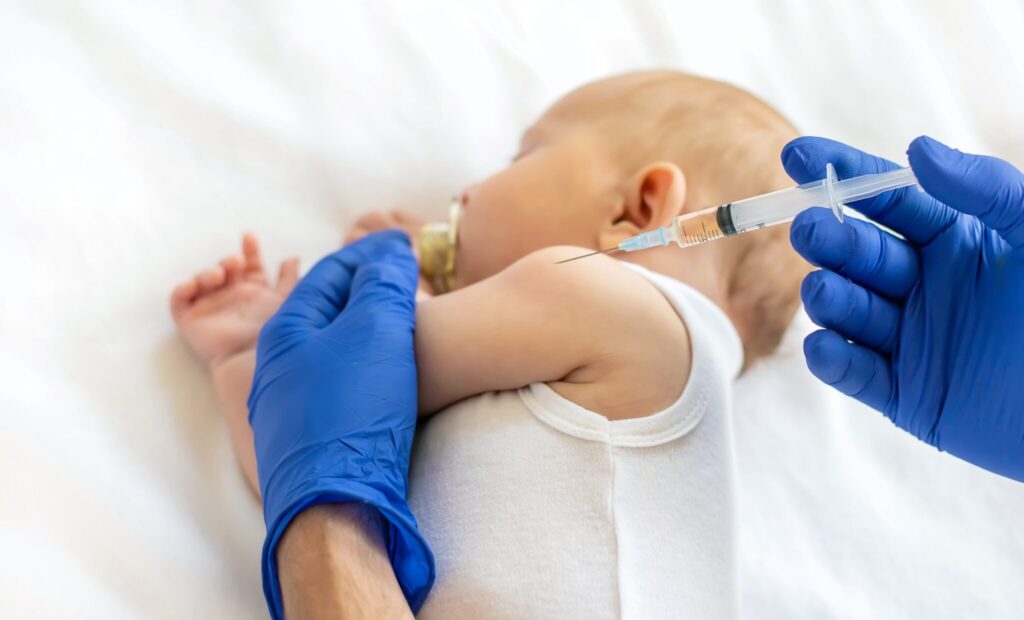
RSV is one of the most common causes of respiratory infections in infants and young children, especially during the winter months. Although the disease is often mild, in some cases it can lead to serious complications and hospitalization, especially in very young or vulnerable children.
In order to better prevent these incidents, the National Immunization Program is now enhanced with an important innovation: the administration of monoclonal antibody against RSV, specially designed for the protection of infants.
What is RSV and why does it concern us?
Respiratory Syncytial Virus (RSV) is one of the most common viruses that infect the respiratory system in infants and young children.
He is accused of a large number of incidents:
bronchiolitis
pneumonia
The risk of serious illness is increased:
in infants under 6 months of age
in premature babies
in children with chronic or underlying diseases
How does the monoclonal antibody contribute to prevention?
This new intervention is not a vaccine in the classic sense. The monoclonal antibody offers passive immunity, that is, immediate protection, without the child's body needing to produce antibodies on its own.
In this way:
the infant's defenses are strengthened
reduces the risk of serious infection before exposure to the virus
Who is it addressed to?
The measure concerns specific groups:
Infants and children up to 24 months, with an emphasis on those belonging to vulnerable groups or born prematurely
Pregnant women between 32nd and 36th weeks of pregnancy, so that antibodies can be transferred to the newborn and protect it from the first days of life
What does it prevent?
The administration of the monoclonal antibody contributes to the reduction of:
upper and lower respiratory tract infections
bronchiolitis
pneumonia
hospitalizations related to RSV complications
When is the administration done?
Protection is provided by a single dose, which is usually administered:
before or
during the RSV outbreak period
that is, from the autumn to winter.
Conclusion
The inclusion of the monoclonal antibody in the National Immunization Program is an essential step in the prevention of serious respiratory infections in infants and young children. Timely information and cooperation with the pediatrician are crucial for the correct implementation of the measure.
If you are pregnant or have a child under 2 years old, discuss available protection options with your pediatrician.
📌 For more information and personalized guidance, make an appointment with Dr. Mina Kremenopoulos.







 English
  Greek
Greek